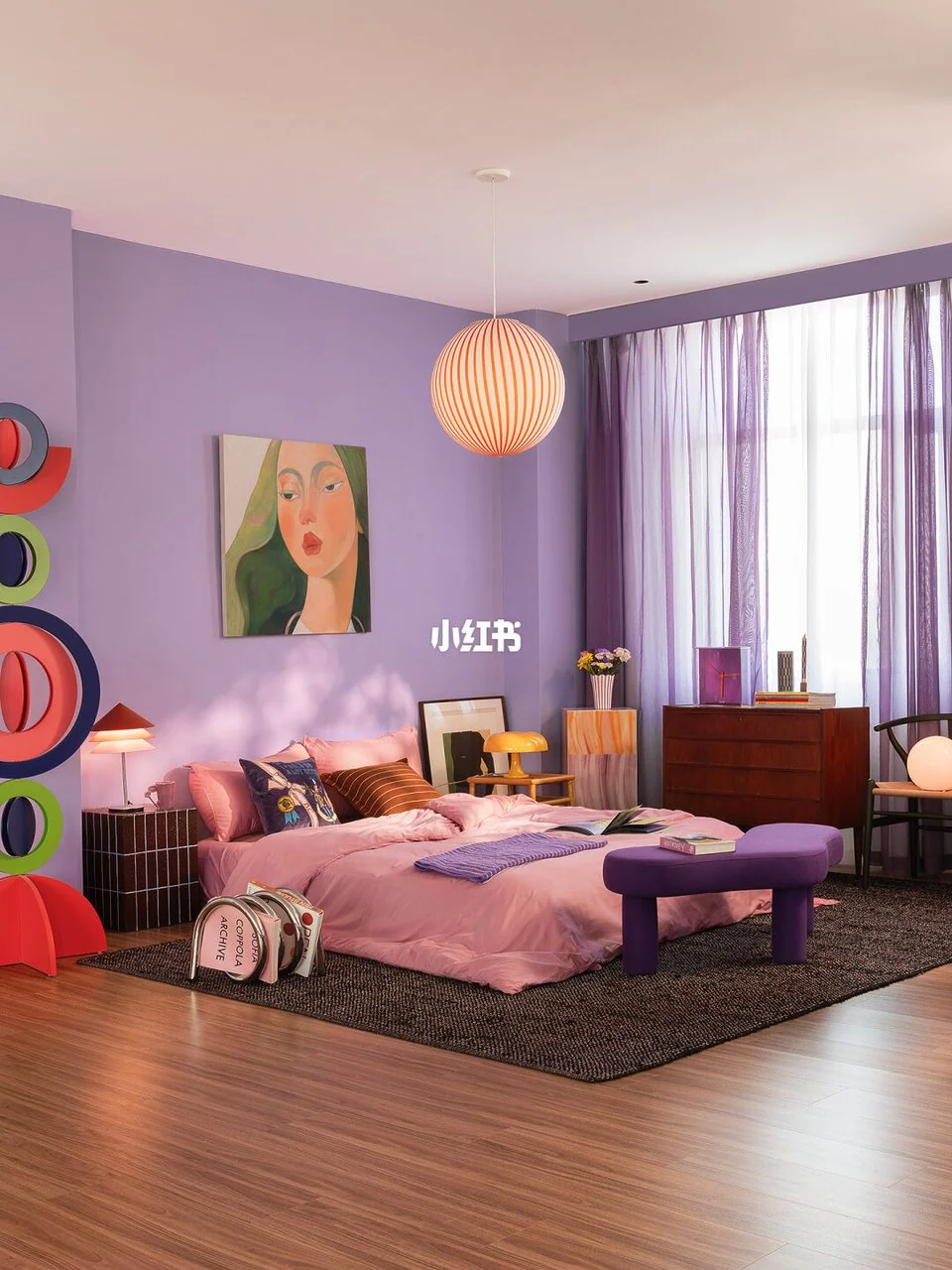
Design around an ordinary day
Think through getting dressed, putting things away, reading and charging your phone. Where do belongings collect? Which drawer is awkward to open? A bedroom makeover can begin with rearranging a bedside surface or making everyday storage easier to reach. Separate practical needs from decorative wishes. You may need a place for books and glasses more than a second accent chair, even if that chair looks appealing in a photograph.
Use the bed to establish a direction
The bed occupies a large part of the view, so bedding is a useful place to explore color and texture. For a quiet look, compare related tones with a mix of smooth and textured fabrics. For more character, try a patterned cover or a stronger accent color against simpler surroundings. Include the existing headboard, floor and wardrobe in the decision. You can keep a wood bed frame and still explore several distinct styles.
Let real light guide your choices
A fabric that looks pale online can appear different beside your walls. View samples in the room during daylight and with the lights you normally use at night. Think separately about reading light and general atmosphere. A shaded lamp may feel pleasant but provide too little light for a book. Check lamp and bulb compatibility before buying. For curtains, measure the opening and check how they will hang, move and attach.
Add personality where you will notice it
Choose art, a textile or a meaningful object you enjoy seeing every day. Use it to suggest a color or material elsewhere in the room. Leave some space around those choices so they remain visible. If your bedside area already feels crowded, move decorative objects to a dresser or shelf where they do not displace everyday essentials. Personal does not have to mean filling every surface.
Check the practical details before ordering
Measure proposed furniture in place, including drawer openings, wardrobe access and the path beside the bed. Check bedding dimensions against your mattress and the product’s sizing information. A concept can help you choose a visual direction; your measurements and product checks still determine what you buy.